Introduction: From Smart Strategy to Responsible Strategy
Corporate strategy for decades has meant performance efficiency, profit, and market share. But the 21st century has reshaped the map of what success looks like. Climate volatility, social inequality, and governance failures have demonstrated that an ethics-less strategy is not resilience; it’s risk.
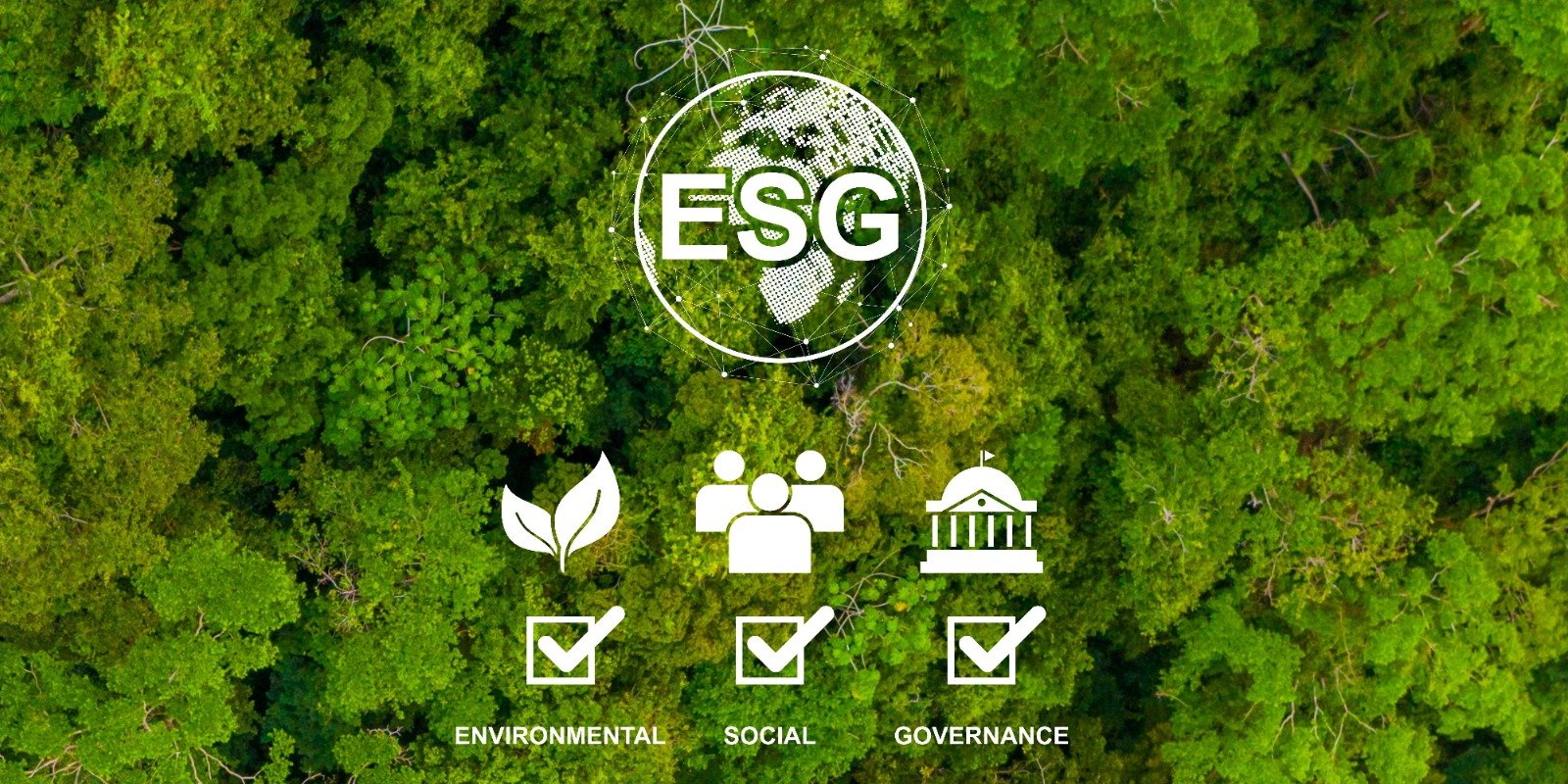
In comes Ethical Foresight: the intersection of Environmental, Social, and Governance (ESG) principles with the art of strategic decision-making science.
Predicting the trends in markets is not enough for organizations; they need to anticipate moral repercussions, balance long-term viability, and create systems that benefit society and shareholders alike.
When foresight, the practice of scanning and preparing for future possibilities, and ESG come together, strategy becomes not only a means to advantage but also a system of responsibility.
ESG: The Strategic Lens of the 21st Century
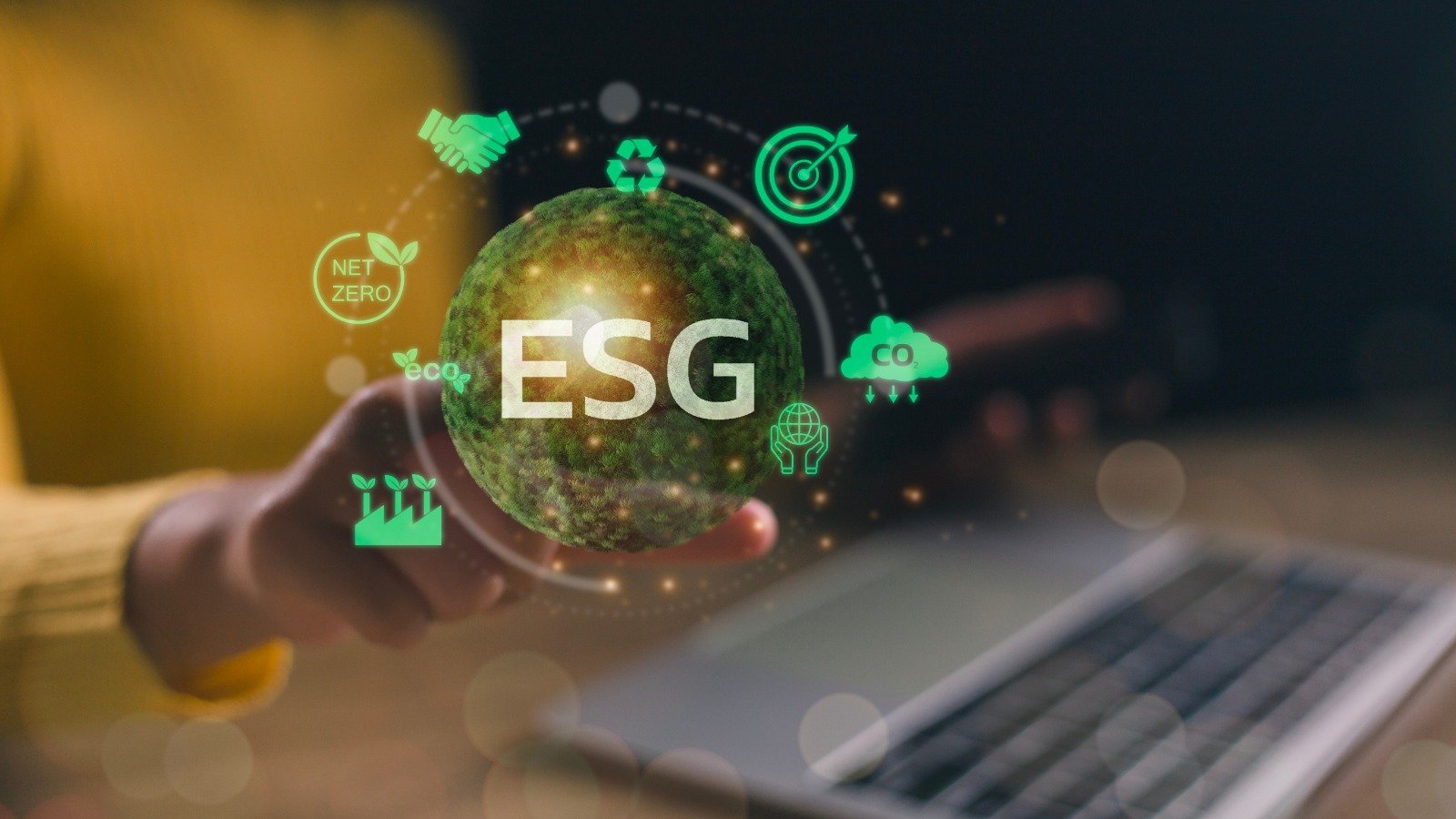
ESG is no longer a reporting checkbox or a niche idea. It is now a strategic framework that investors, regulators, and consumers use to assess an organization’s long-term value and integrity.
- Environmental (E): How does the organization manage its ecological impact, from carbon footprint and waste to biodiversity and resource consumption?
- Social (S): What effect does it have on people, employees, customers, communities, and supply chains through labor practices, inclusion, and human rights?
- Governance (G): How transparent, accountable, and ethical are its leadership institutions, decision-making processes, and data policies?
These factors now directly impact bottom-line results. ESG-themed funds have proved more resilient than conventional portfolios. Regulations such as the EU’s Corporate Sustainability Reporting Directive (CSRD) and India’s Business Responsibility and Sustainability Report (BRSR) are codifying this correlation.
But what’s lacking in most ESG initiatives is foresight, the ability to peer ahead, simulate trade-offs, and plan for emerging threats before they hit the headlines.
The Role of Foresight in ESG Strategy
Conventional ESG approaches are primarily reactive, reporting today’s performance and publishing previous impacts. Foresight turns that on its head: it looks ahead to projected ethical and environmental implications, not merely “How did we do?” but “What might we expect next?”
Foresight adds three significant benefits to ESG strategy:
1.Anticipation Over Compliance
Compliance-driven ESG is centered on minimum requirements. Foresight-led ESG seeks leadership, foreseeing regulatory changes, stakeholder expectations, and new social norms.
For example, as water scarcity increases, businesses that anticipated it early on have already made investments in closed-loop systems and circular manufacturing. Others are now racing to retrofit.
Through embedding trend scanning, scenario planning, and horizon mapping into ESG decision-making, leaders can convert looming liabilities into proactive transformation.
2.Systems Thinking
Social and environmental problems are seldom siloed; they overlap through intricate systems. Foresight helps leaders look for connections between equity and energy, AI and privacy, or supply chain planning and human rights.
Organizations use this holistic approach to prevent collateral damage. A firm may lower emissions through automation, say, but end up displacing people. Ethical foresight helps anticipate such compromises and steer them early on.
3.Long-Term Value Creation
Investors and customers increasingly reward those organizations that exhibit sustainability, transparency, and responsiveness. Foresight deepens long-term ESG value by connecting ethical decisions to strategic results, safeguarding reputation, reducing risk, and constructing trust capital compounding over time.
Building Ethical Foresight into Strategic Decision Science
Strategic decision science, the formal methodology for examining options and consequences, becomes even more potent when infused with ESG foresight. Here’s how to put it into action:
Step 1: Broaden the Decision Horizon
Most corporate decisions remain fixated on quarterly or yearly horizons. Ethical foresight broadens that horizon to decades, considering how today’s decisions determine tomorrow’s ecosystems.
Tech firms, for instance, have to factor in the planet’s cost of AI computing, the data center’s energy use, and algorithmic design’s built-in biases, as not externalities but strategic key variables.
This longer horizon promotes stewardship thinking: creating products, policies, and partnerships that are still sustainable in future regulatory and societal regimes.
Step 2: Incorporate Ethical Scenarios in Modeling
Quantitative models optimize for efficiency or profit. Foresight challenges: What would happen if we optimized for impact and responsibility as well?
Scenario modeling with ESG factors, like carbon taxes, social backlash, or ethical AI limits, can unveil hidden vulnerabilities in conventional forecasts.
A business venturing into new markets could apply ESG foresight to simulate queries such as
- How would tighter environmental regulations influence our operations?
- What if customers boycott non-recyclable packaging?
- How could social justice movements transform our brand image?
Through experimentation with various futures, organizations swap straight planning for moral optionality, plans that are ethical and feasible across various scenarios.
Step 3: Leverage Data for Accountability, Not Only Efficiency
Artificial intelligence and analytics are transforming decision-making, but data needs to serve more than speed and scale, transparency, and trust.
Leaders must apply ESG dashboards measuring ethical KPIs together with financial KPIs: product emissions, pay equity by gender, data privacy, and supply-chain ethics scores.
These metrics ground foresight in quantifiable responsibility, making ethics less a branch of philosophy and more an evidence-based practice.
Step 4: Embed Foresight in Governance Structures
Effective integration occurs only when foresight is embedded in governance, rather than innovation. Boards may introduce Foresight and Ethics Committees to track new risks like misuse of AI, climate litigation, or compliance with human rights.
The inclusion of futurists, sustainability specialists, and external perspectives in boardroom discussions achieves strategic diversity and moral richness.
These frameworks convert ESG into a governing role rather than a communication exercise, a framework through which all strategic decisions are weighed.
Case Example: Ethical Foresight in Action
Take the example of Microsoft’s AI Ethics and Foresight Office. Set up to manage the long-term societal impact of AI, it integrates trend analysis, stakeholder engagement, and ethical appraisal.
This model has shaped Microsoft’s product policies on responsible use of AI and data governance, not due to regulation, but due to ethical foresight, creating early clarity on risks and opportunities.
Likewise, Unilever’s Sustainable Living Plan embeds foresight techniques into ESG strategy, diagnosing how social pressures and environmental challenges will influence consumer attitudes. The payoff: a portfolio that beats peers on both profit and purpose.
These instances show how foresight repositions ESG from reporting to resilience-building, unifying ethics with innovation.
Challenges and Cautions

Ethical foresight is not without challenge:
- Short-termism: Investors still tend to require quarterly performance, deterring long-term thinking.
- Data ambiguity: ESG data is patchy and inconsistent, rendering foresight modeling complex.
- Cultural resistance: Certain leaders continue to view ethics as moral ornamentation, rather than a strategic imperative.
Addressing these barriers necessitates leadership that values moral imagination, the capacity to envision futures that are prosperous and equitable.
Conclusion: The Future Demands Foresight with Integrity
In a risky, networked world, ethical foresight is becoming the backbone of strategic credibility. It closes the loop between analytics and accountability, between innovation and ethics.
Companies that excel at this confluence will not only anticipate threats but create the future responsibly, making profitable what is also principled.
Ultimately, the question is no longer whether to make ESG a part of foresight, but how soon leaders can make it non-separable.
Because tomorrow’s marketplace will be driven by ethical intelligence, not strategic intelligence.