
Artificial intelligence has traditionally been associated with powerful hardware, complex infrastructure, and resource-intensive computing environments. However, PicoClaw Lightweight AI Agents challenge this conventional view by demonstrating that meaningful automation can operate on extremely small devices with minimal resources. By prioritizing efficiency, simplicity, and distributed intelligence, PicoClaw represents a new direction in AI development—one where intelligent systems become smaller, faster, and easier to deploy across diverse environments.
This shift toward lightweight automation signals a broader transformation in how businesses, developers, and organizations approach intelligent technology.
Rethinking Hardware Requirements for Artificial Intelligence

One of the most significant contributions of PicoClaw Lightweight AI Agents is their ability to redefine expectations about what AI requires to function effectively. Traditional AI systems often depend on high-performance computing, extensive memory, and dedicated processing infrastructure. PicoClaw takes a different approach by enabling intelligent behavior on devices with extremely limited resources.
Micro-agents running on hardware with minimal memory demonstrate that effective automation does not necessarily require large-scale computational power. Instead, efficiency in system design and architecture enables small devices to perform meaningful tasks. This approach challenges long-standing assumptions about AI deployment and encourages developers to reconsider the relationship between hardware capability and intelligent performance.
As a result, AI becomes more accessible, scalable, and adaptable to environments where traditional systems would be impractical.
Efficiency as a Core Design Principle
PicoClaw Lightweight AI Agents emphasize efficiency rather than raw processing power. Instead of running complex models locally, these systems rely on a hybrid architecture. Local hardware manages essential control functions, task routing, and execution processes, while remote models provide advanced reasoning capabilities.
This design significantly reduces hardware requirements while maintaining strong performance. The local device remains lightweight and responsive, and the system becomes cost-effective to deploy at scale. For organizations seeking to expand automation across multiple locations or devices, this efficiency provides substantial operational advantages.
By minimizing local resource consumption, PicoClaw allows intelligent systems to operate in environments with limited computing capacity, making automation more flexible and widely deployable.
Expanding the Scope of Automation
Lightweight AI agents open new opportunities for automation across industries. Because they require minimal hardware, these agents can be embedded directly into devices, environments, and operational systems where traditional AI solutions would be impractical.
In residential settings, home devices can perform intelligent actions without relying heavily on centralized computing infrastructure. In business environments, micro-agents can handle repetitive background tasks efficiently. Industrial systems can incorporate embedded intelligence for monitoring performance and predicting maintenance needs. Automotive environments can deploy local automation that functions even in conditions with limited connectivity.
These capabilities expand the reach of AI, transforming automation from a centralized system into a distributed network of intelligent components embedded throughout the environment.
Comparing Lightweight Agents With Full-Scale Systems
The development of PicoClaw Lightweight AI Agents highlights an important contrast within the evolving AI landscape. Full-scale systems, such as comprehensive local assistants, provide extensive capabilities and support complex workflows that require significant computing power. Their strength lies in versatility, deep functionality, and comprehensive task management.
In contrast, PicoClaw represents the opposite design philosophy. Its focus is on minimalism, efficiency, and compact deployment. Rather than replacing larger systems, lightweight agents complement them by handling smaller, localized tasks that do not require extensive processing resources.
This distinction demonstrates how different approaches to AI development can coexist within a broader ecosystem. Large systems provide depth and capability, while lightweight agents enable distributed intelligence and efficient automation at scale.
Architectural Simplicity and Practical Design
The effectiveness of PicoClaw Lightweight AI Agents stems from their straightforward architecture. A minimal processing loop manages task execution, message routing, and basic memory operations. A lightweight operating environment ensures efficient resource usage, while external models handle complex reasoning tasks.
This separation between execution and cognition allows the hardware to remain extremely small without sacrificing functionality. Local operations execute quickly because the device focuses on practical task management rather than computationally intensive processing.
The simplicity of this architecture also makes the system accessible to developers. Its clarity encourages experimentation and innovation, allowing professionals and hobbyists alike to explore new applications of lightweight automation.
Distributed Intelligence and Workflow Optimization
Distributed intelligence represents a key advantage of lightweight AI agents. Instead of relying on a single central system, organizations can deploy multiple micro-agents across different operational points. Each agent performs specific tasks independently, improving system stability and reducing bottlenecks.
This distributed approach enhances workflow efficiency by placing automation closer to where tasks occur. Processes execute faster because agents operate near the source of activity. Systems become more resilient because failures in one component do not disrupt the entire workflow. Scaling operations becomes simpler, as adding new agents requires minimal infrastructure.
For businesses seeking operational efficiency, distributed automation offers a practical and cost-effective solution.
Strategic Benefits for Businesses and Developers
Early adoption of lightweight AI technology provides significant strategic advantages. Organizations that integrate micro-agents into their operations gain experience with distributed automation models, improve efficiency, and reduce infrastructure costs. These advantages compound over time, strengthening competitive positioning.
Developers also benefit from working with lightweight systems. Building PicoClaw-style agents requires understanding hybrid architectures, resource optimization, and embedded intelligence design. These skills are becoming increasingly valuable as AI expands beyond traditional computing environments.
As intelligent systems continue to shrink in size and expand in capability, expertise in lightweight automation will likely become a critical competency in the technology workforce.
The Future of Ambient Intelligence
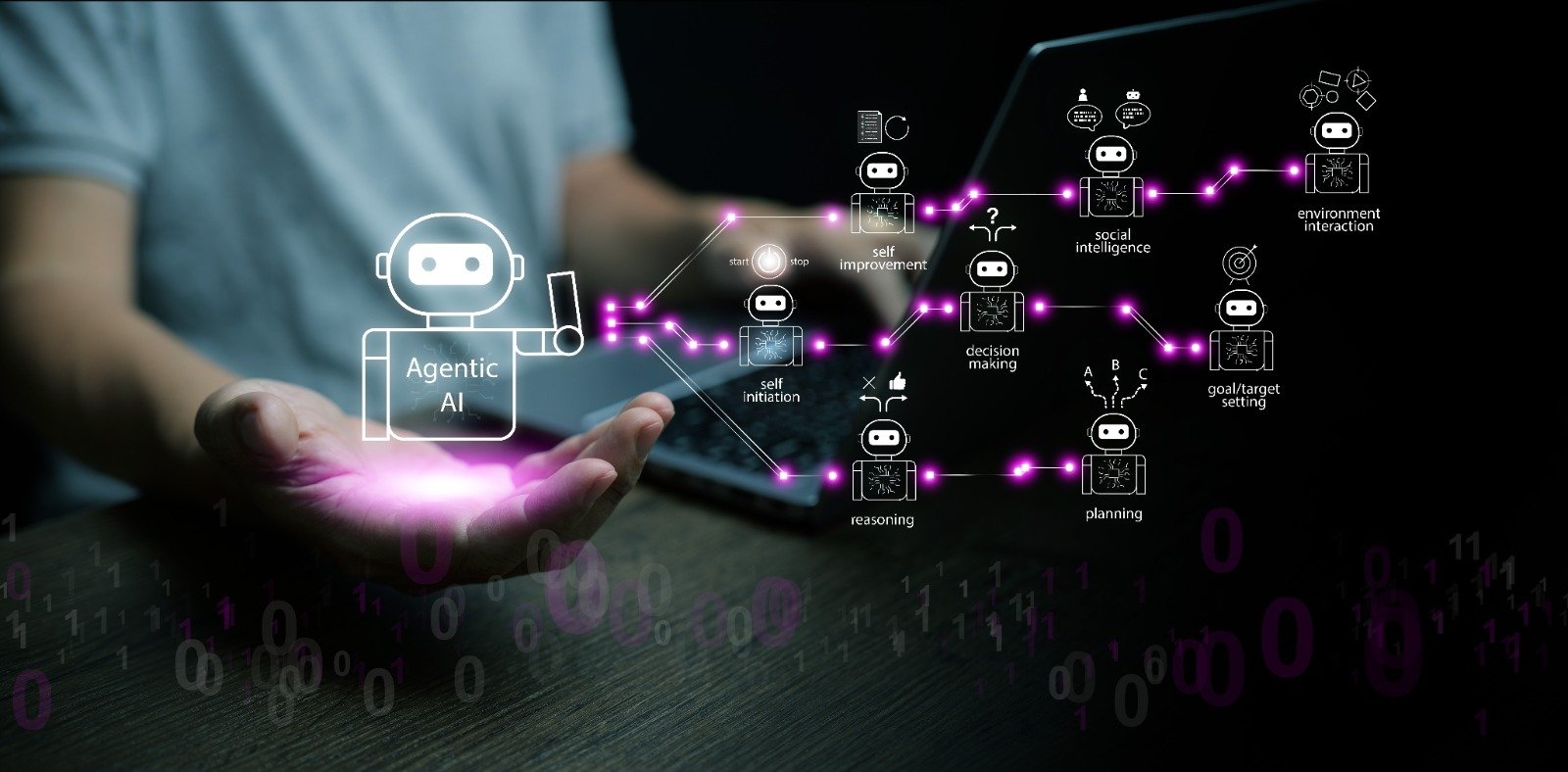
PicoClaw Lightweight AI Agents offer a glimpse into a future where intelligence becomes embedded throughout everyday environments. Devices will monitor context, respond proactively to user needs, and operate seamlessly in the background. Automation will no longer be confined to dedicated computing systems but will exist as an integrated component of physical and digital environments.
This transition toward ambient intelligence represents a major shift in how people interact with technology. Instead of actively engaging with centralized systems, users will benefit from distributed networks of intelligent agents that operate continuously and autonomously.
Conclusion
PicoClaw Lightweight AI Agents represent a significant step forward in the evolution of artificial intelligence. By demonstrating that effective automation can operate on minimal hardware, they challenge traditional assumptions about AI infrastructure and open new possibilities for distributed intelligence.
Through efficient design, hybrid architecture, and scalable deployment, lightweight agents enable automation in environments previously beyond the reach of conventional systems. As businesses and developers continue to explore this approach, PicoClaw illustrates how the future of AI may depend not on greater computational power, but on smarter, more efficient system design.