
Introduction
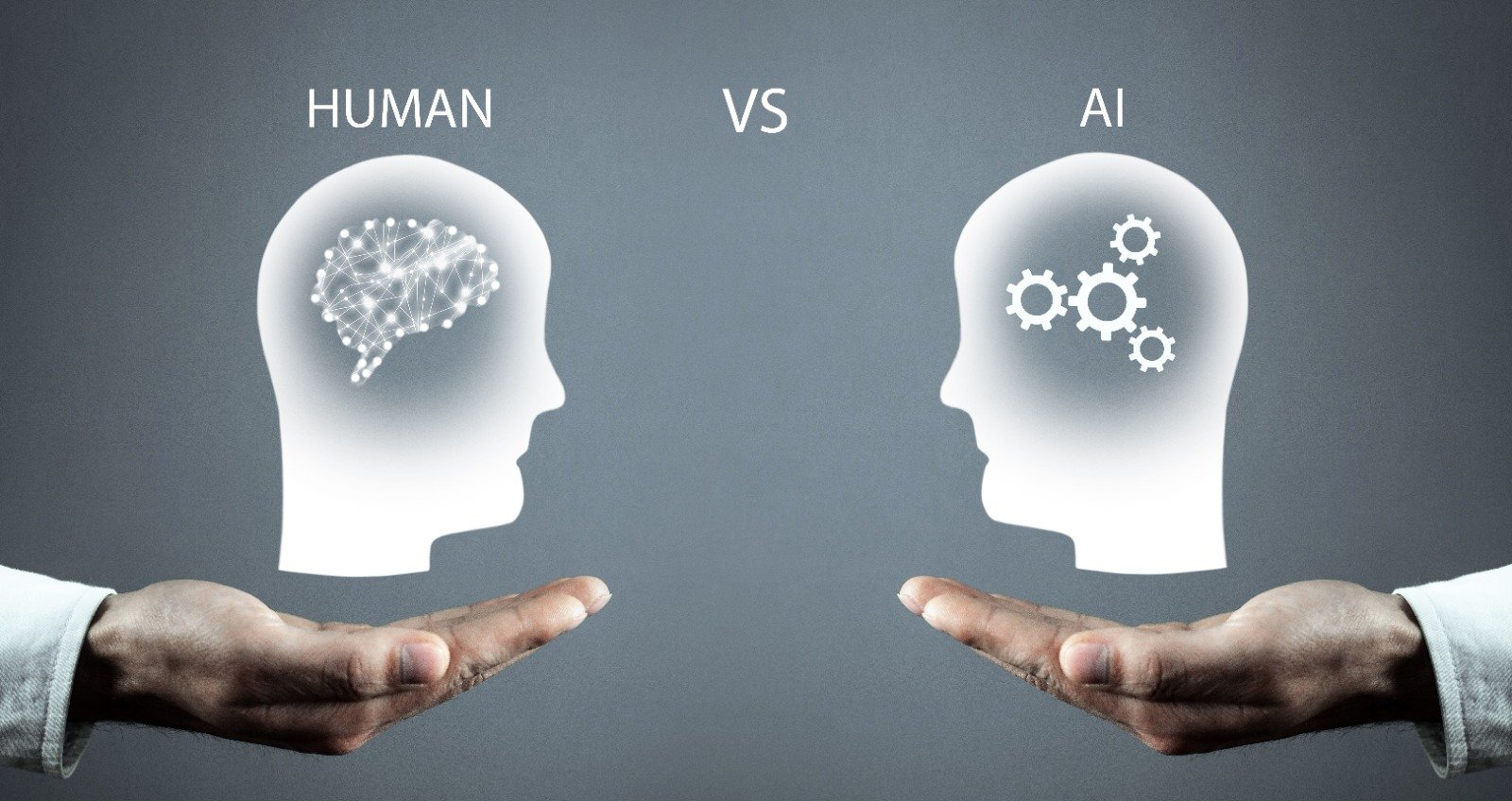
Artificial intelligence (AI) has rapidly advanced from performing routine automation tasks to supporting complex decision-making across industries. Its capacity to process vast datasets, detect patterns, and generate insights has transformed strategic planning in business, healthcare, governance, and beyond. However, while AI enhances efficiency and provides valuable analytical support, it cannot entirely replace human judgment in strategic decisions. The essence of strategy involves more than data-driven predictions; it encompasses ethics, tacit knowledge, creativity, and uniquely human values. This article examines the limitations of AI in strategic contexts and highlights the importance of human oversight.
The Limits of AI in Strategic Decisions
Bias in AI Systems
AI models are only as fair as the data that trains them. Historical datasets often reflect human biases, which can be amplified by algorithms when applied at scale. For example, recruitment AI tools trained on biased datasets have been shown to discriminate against women or minority groups. In strategic decisions—such as hiring, lending, or resource allocation—bias can create unfair outcomes with serious ethical and legal implications. Unlike humans, AI cannot critically reflect on these biases; it merely replicates patterns present in data. Human judgment is necessary to identify, question, and mitigate these biases before decisions are finalized.
Ethics and Moral Responsibility
Strategic decisions often carry ethical weight. For instance, decisions in healthcare resource distribution, military strategy, or environmental policy are not only technical but also moral. AI lacks intentionality, empathy, or a sense of responsibility. It can calculate probabilities but cannot weigh moral obligations or human dignity. The accountability for outcomes—positive or harmful—ultimately rests with human decision-makers. Strategic leadership requires ethical reasoning, which remains outside AI’s capabilities.
Tacit Knowledge and Values
Tacit knowledge refers to unwritten, experience-based insights—such as intuition, cultural understanding, or industry-specific wisdom. These elements cannot be easily codified into datasets. Similarly, values such as justice, trust, and fairness are subjective and context-dependent. For example, a corporate leader considering market expansion must weigh not just financial models but also cultural sensitivities, social impact, and long-term reputation. AI may provide economic forecasts, but only humans can balance these against intangible factors rooted in values and lived experience.
Creativity and Improvisation
Strategic decision-making often requires improvisation under uncertainty. Unlike routine operational decisions, strategies may involve venturing into unknown territory where historical data is limited or irrelevant. Humans possess creativity and moral imagination, allowing them to formulate novel approaches in unpredictable environments. AI, dependent on existing data, cannot generate fundamentally new paradigms beyond its training. For instance, during a sudden geopolitical crisis, leaders must devise strategies informed by intuition, negotiation skills, and improvisation—capacities beyond AI’s scope.
Context and Nuance
Human contexts are complex and often ambiguous. AI struggles with situations that are poorly defined or not easily quantifiable. Consider diplomacy: a decision to negotiate peace is influenced by culture, psychology, and interpersonal dynamics—factors that resist numerical modeling. Similarly, in corporate strategy, decisions about mergers or partnerships often hinge on intangible nuances like trust between executives. AI can provide due diligence analysis, but it cannot capture the subtle cues and context that drive outcomes.
The Role of Human-AI Collaboration

Strategic Enhancement
AI excels in processing vast amounts of information, spotting trends, and handling repetitive tasks. This makes it a valuable partner in strategy formulation. For example, AI can model market risks, simulate supply chain disruptions, or detect anomalies in financial data. By doing so, it frees human leaders to focus on the interpretative, ethical, and creative aspects of decision-making.
The Hybrid Approach
A pragmatic path forward is a hybrid model where AI augments human capabilities rather than replaces them. Humans provide oversight, ethical reasoning, and judgment, while AI provides analytical depth and efficiency. For instance, in healthcare, AI can identify potential diagnoses faster than humans, but physicians must ultimately decide treatment paths, considering patient values, cultural backgrounds, and quality of life.
Accountability and Intent
One critical aspect of decision-making is accountability. AI cannot bear responsibility for outcomes—it lacks intent. Strategic decisions must remain human-led to ensure alignment with societal values and to preserve moral accountability. Leaders cannot defer blame to algorithms; they must own the consequences of their choices.
Navigating Uncertainty
AI is limited by historical data and statistical reasoning. When navigating highly uncertain or unprecedented scenarios, humans are indispensable. Crises such as pandemics, wars, or climate emergencies demand foresight, adaptability, and ethical leadership. Humans are capable of reframing strategies when data is scarce or conflicting—an ability AI does not possess.
Conclusion
While AI offers transformative support in strategic decision-making by analyzing complex data and accelerating processes, it cannot substitute for the qualities that make human judgment unique. Ethics, tacit knowledge, creativity, and accountability are essential for sound strategic leadership and cannot be delegated to machines. The future of strategic decision-making lies not in AI replacing humans but in a collaborative model where AI provides analytical power and humans bring moral, contextual, and adaptive intelligence.
As organizations and policymakers embrace AI, they must design systems that enhance human judgment while safeguarding ethical responsibility. Ultimately, strategy is not just about efficiency or prediction—it is about making choices that shape human futures, a responsibility that cannot be surrendered to algorithms.