

How Businesses Reduce Workload and Increase Output With OpenClaw on VPS

Modern organizations face a persistent challenge: increasing output without proportionally increasing operational overhead. Hiring additional staff, managing expanding workflows, and maintaining operational consistency all introduce cost and complexity. As businesses scale, repetitive administrative tasks often consume valuable human attention that could otherwise be directed toward strategic work. One emerging solution to this problem is deploying […]
NotebookLM to Gemini Workflow: How Integrated AI Research and Creation Is Redefining Digital Production
Artificial intelligence tools are increasingly shifting from isolated assistants into interconnected production systems. One emerging example is the workflow that connects NotebookLM and Gemini, enabling users to move directly from research to fully built digital assets such as landing pages, visuals, and structured content. This integrated approach eliminates many of the traditional bottlenecks associated with […]
NotebookLM AI Styles: Transforming Written Notes into Engaging Videos at Scale
The process of turning written ideas into compelling visual content has traditionally required specialized skills, expensive software, and significant time investment. From scripting and editing to animation and narration, video production has long been a barrier for individuals and organizations without dedicated creative teams. NotebookLM AI Styles introduces a fundamentally different approach. By enabling users […]
Claude Code Live Preview: Eliminating Context Switching and Redefining Development Feedback Loops
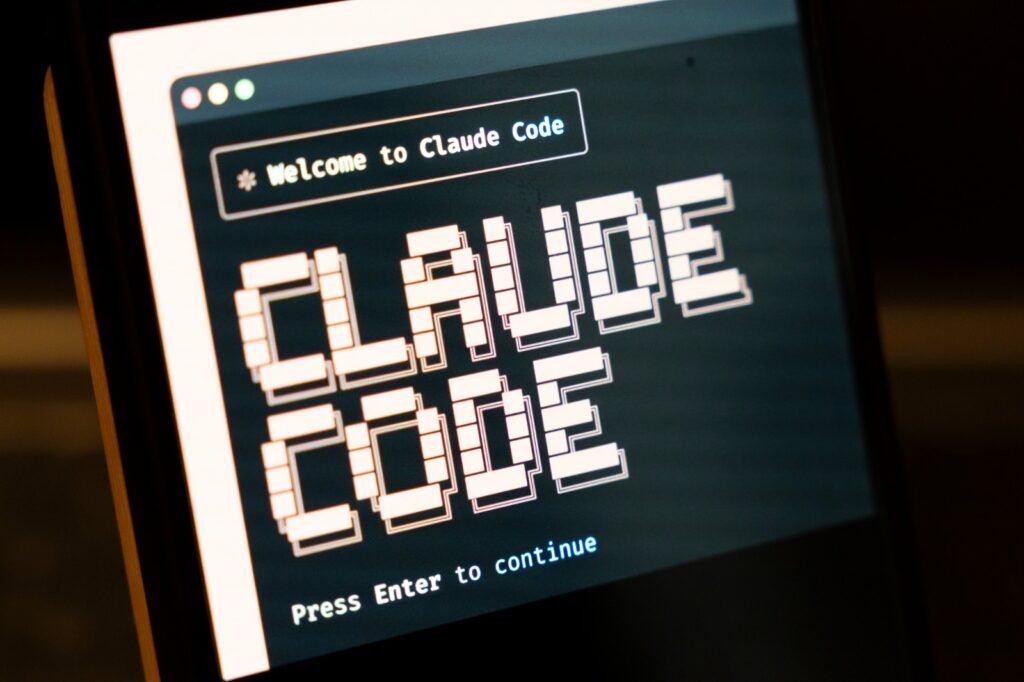
Modern software development is defined by feedback loops. The faster developers can move from writing code to observing its behavior, identifying errors, and applying fixes, the more efficiently products evolve. Yet traditional workflows remain fragmented. Developers often write code in one window, run a server in another, monitor logs in a terminal, and inspect results […]
The IronClaw AI Test: What It Reveals About Hidden Security Risks in Modern Automation Systems
Automation tools have become increasingly powerful, enabling individuals and organizations to automate workflows, manage data, and execute complex operational tasks with minimal manual intervention. However, as automation adoption accelerates, a critical issue is often overlooked: security architecture. The IronClaw AI test highlights a fundamental reality—many automation systems appear reliable on the surface while concealing structural […]
OpenClaw Mistral Integration: A Significant Step Toward Reliable, Multilingual AI Automation Systems

Automation systems often fail not because of missing features, but because of instability, inconsistent memory, limited language support, and fragmented execution layers. The integration of Mistral into the OpenClaw automation framework represents a structural upgrade aimed at addressing these core reliability challenges. Rather than adding isolated capabilities, this integration strengthens the underlying intelligence engine that […]
Claude Code Desktop Update: How Integrated Runtime Intelligence Is Reshaping Modern Software Development
Software development has always been constrained by one fundamental limitation: the speed of feedback. Every improvement, bug fix, or feature addition depends on how quickly developers can move from writing code to understanding its real-world behavior. Historically, this process has been fragmented across multiple tools, environments, and workflows. The Claude Code Desktop update introduces a […]
Pomelli Business DNA: How AI Is Automating Brand Identity for Small Businesses

Brand identity has traditionally been one of the most resource-intensive aspects of building a professional business. Large companies invest heavily in branding agencies, design systems, visual guidelines, and content teams to maintain consistency across every customer interaction. Small businesses, by contrast, often struggle to achieve the same level of coherence. Limited budgets, inconsistent design execution, […]
How the Grok 4.2 + Claude 4.6 Workflow Is Redefining AI-Driven Software Development
Artificial intelligence has already transformed how software is planned, written, and deployed. However, most professionals still use AI models in isolation—prompting a single assistant to perform every stage of a project. This approach often produces inconsistent results because planning, execution, and review require different strengths. The Grok 4.2 and Claude 4.6 workflow represents a more […]
OpenClaw AI Agent 1M Context Update: The Evolution from Automation Tool to Operational System

Artificial intelligence agents have long promised to automate complex workflows, but until recently, they were constrained by one critical limitation: memory. Most AI agents could only retain a limited amount of context during execution, which meant long-running workflows often degraded over time. The OpenClaw AI Agent 1M Context Update represents a major architectural shift that […]