
Introduction: When Policy Becomes a Strategic Variable
For decades, many companies treated regulation as a constraint to work around rather than a strategic factor to plan for. But in today’s world, where governments are redefining rules around data privacy, sustainability, trade, and technology, policy has become one of the most powerful forces shaping competitive advantage.
From antitrust oversight in technology to carbon pricing in the energy sector, today’s regulatory landscape can dictate which business models succeed and which fail. The distinction between success and failure too often hinges on whether an organization views regulatory changes as external shocks or as manageable drivers of the strategic environment.
This article digs into how policy and regulation inform long-term strategy, presents real-world applications, and details actionable ways to predict regulatory risk before it turns into disruption.
1.Regulation as a Strategic Force
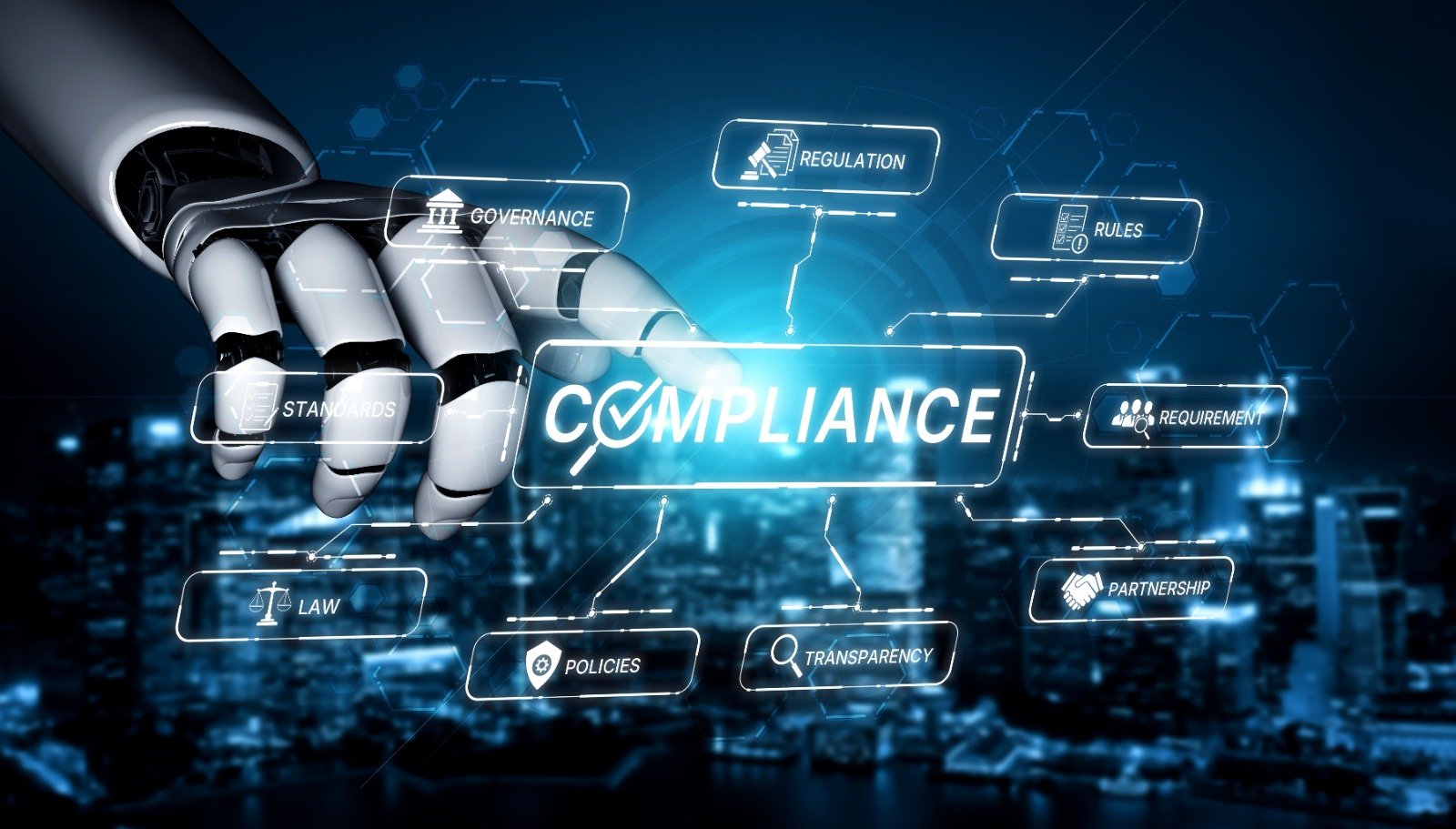
Regulation is not compliance. It is a system of design for milestones that sets incentives, redefines costs, and realigns the balance of power between competitors.
When policy shifts, it can change:
- Market access: Who can sell or do business in a particular geography?
- Cost structures: By taxation, tariffs, or subsidies.
- Innovation incentives: By encouraging certain technologies or limiting others.
- Consumer trust and demand: Particularly in domains such as safety, privacy, or sustainability.
The best organizations see regulation as an anticipated type of change, not an unexpected shock. As with technology or customer behavior, it follows patterns—political cycles, public attitudes, and international priorities—that can be researched, foreseen, and embedded in strategy.
2.Case Examples: Regulation as a Catalyst or a Shock
Case 1: The Auto Industry and Emission Rules
During the early 2010s, European and Chinese regulators started to tighten auto emission rules. Most carmakers approached these as sequential compliance issues. Tesla, however, viewed regulation as a tailwind rather than a threat. It bet everything on zero-emission vehicles, hoping that policy would keep favoring electrification.
A decade on, as EU and China internal combustion engine bans proliferated, Tesla’s vision came to fruition. Legacy auto players had to play catch-up with reactive shifts, incurring gargantuan retooling expenses and stranded assets.
Lesson: When policy follows megatrends (such as sustainability), it’s not a constraint; it’s a compass. Early movers who converge on policy direction reap long-term benefits.
Case 2: Big Tech and Data Privacy
The arrival of the EU General Data Protection Regulation (GDPR) in 2018 redesigned digital business globally. Firms that had handled user data lightly were slapped with fines, compliance expenses, and customer outrage.
Apple, however, had made privacy a brand point of distinction several years ago. When GDPR came around, Apple’s user control and small data footprint stance transformed from a statement of value to a competitive strength.
Lesson: Anticipating regulatory sentiment and recognizing privacy as an emerging social and political concern can turn compliance into differentiation.
Case 3: Renewable Energy and Policy Incentives
The renewable energy boom is as much a story of regulation as of innovation. The U.S. Inflation Reduction Act (2022) and the EU Green Deal shifted global capital flows toward clean technologies through tax credits and subsidies.
Firms such as Ørsted and NextEra Energy had already switched from fossil fuels to renewables, wagering that governments would turn to decarbonization. By the time incentives came, they were ready to ramp up in size.
Lesson: Tracking policy pipelines can tell us where capital will move next. Being able to foresee incentives is as useful as being able to forecast consumer trends.
Case 4: The Cryptocurrency Market and Regulatory Uncertainty
Conversely, the crypto market demonstrates what unfolds when regulators lack vision. Exchanges and token issuers proliferated around the world with few compliance structures, hoping governments would catch up. Regulators instead shut them down with prohibitions, lawsuits, and tax audits.
The outcome was volatility, confidence loss, and billions wasted. The small companies that actively engaged with regulators and developed compliant platforms, like Coinbase, won relative stability and credibility.
Lesson: Overlooking the regulatory horizon is a strategic blind spot. Engagement and scenario planning can make uncertainty into an opportunity.
3.How Regulation Influences Long-Term Strategy
1.Sets the Future Cost Curve
Policy frequently transforms the economics of a sector by restructuring costs. Carbon pricing, for example, makes emissions more expensive, compelling corporations to internalize externalities that were previously free. Companies that invest ahead in low-carbon processes enjoy a cost advantage as regulations increase.
2.Shapes the Direction of Innovation
Subsidies, tax credits, and grants direct R&D expenditure into preferred technologies. As a case in point, government subsidies for semiconductor production are inducing a reshoring of chip manufacturing. Companies that foresee these changes can position innovation portfolios in line with policy emphases.
3.Creates New Market Categories
Policy also gives rise to new industries. Cybersecurity and compliance-as-a-service were created by data protection regulations. Green finance was brought about by renewable mandates. Strategic foresight enables one to see where new regulatory environments can arise.
4.Redefines Stakeholder Expectations
Investors, customers, and workers increasingly harmonize their expectations with policy objectives, particularly in inclusion and sustainability. Companies that trail on policy-driven norms face reputation and financial costs prior to traditional regulation.
5.Anticipating Regulatory Risk
Anticipation of regulatory change is a fundamental aspect of strategic resilience. Below are organized ways to develop that capacity:
4.Horizon Scanning for Policy Signals
Track early warning signs, including:
- Political manifestos and election cycles
- White papers and public consultations
- NGO campaigns and social movements
- Supranational frameworks (UN, OECD, WTO)
For instance, increasing worldwide focus on AI ethics presages a future wave of AI accountability legislation.
- Scenario Planning for Policy Futures
Create several likely regulatory futures, e.g.,
- “Strict governance”: intense regulation and enforcement
- “Self-regulation”: loose oversight but intense public examination
- “Tech sovereignty”: regionally protected digital policies
For each scenario, try your strategy out. How would you adjust if carbon tariffs doubled, or AI algorithms needed to be licensed?
- Engage in Policy Dialogue
Proactive firms get involved in influencing regulation via industry groups, white papers, and alliances. Helpful engagement ensures new rules capture real-world realities.
Microsoft’s style of AI governance, overtly calling for ethical models, is an example of how participation can influence regulation instead of responding to it.
- Cross-Functional Regulatory Intelligence
Develop in-house frameworks that bring compliance, strategy, legal, and sustainability groups together. Foresight cannot be siloed. Regulatory indicators need to flow into strategic planning horizons.
- Adapt to Build Adaptive Capacity
Rather than trying to anticipate every rule, create flexible business models. Modular supply chains, diversified markets, and flexible product design minimize the impact of policy shock.
5.Creating Regulatory Risk as an Opportunity

Regulatory foresight is not just a defense; it’s a driver of innovation.
- Compliance innovation: Create products or services that enable others to comply with regulations, like carbon accounting software or ESG reporting software.
- Strategic positioning: Position your brand story along policy guidance, as Unilever did when it integrated sustainability into its mission ahead of ESG’s mainstream adoption.
- Investment timing: Anticipate and invest capital before regulatory turning points, locking in early-mover benefits.
Companies that foresee regulation can employ it to drive market standards, rather than merely conform to them.
Conclusion: Foresight is the New Compliance
In the 21st century, policy and regulation are no longer conditions/speed bumps in the night; they are strategic variables that drive competitiveness.
Firms that think about regulation as an afterthought continue to be reactive and exposed. Those firms that think about it as foresight end up as market leaders.
The way ahead is to embed policy smarts in strategic planning, get involved with policymakers early, and construct business models that can bend with change.
In a time when governments are remaking capitalism by enacting climate legislation, data legislation, and social equity policies, the victors will not be people who can only forecast the future. They will be the ones assisting governments in creating it.